
Is IV Sedation Safe? What You Should Know Before Treatment
Many patients in Kettering and the surrounding Dayton area have questions about IV sedation safety before dental procedures. These concerns are understandable and deserve clear, factual answers based on current medical evidence and clinical practice standards.
IV sedation for dental procedures has a well-documented safety profile when administered by properly trained and licensed providers using appropriate monitoring equipment. According to peer-reviewed research and clinical guidelines, serious complications are rare in healthy patients when proper protocols are followed.
Dr. S. Zak Hallock graduated from Case Western Reserve Dental School in 2008 and has completed advanced training in sedation dentistry. Please note that Wilmington Family Dental does not offer IV sedation.
This article provides evidence-based information about IV sedation safety, monitoring procedures, patient candidacy, and what to expect during treatment. Understanding these facts can help you make an informed decision about your dental care.
Continue reading to learn about monitoring protocols, patient screening, and what the research shows about IV sedation safety.
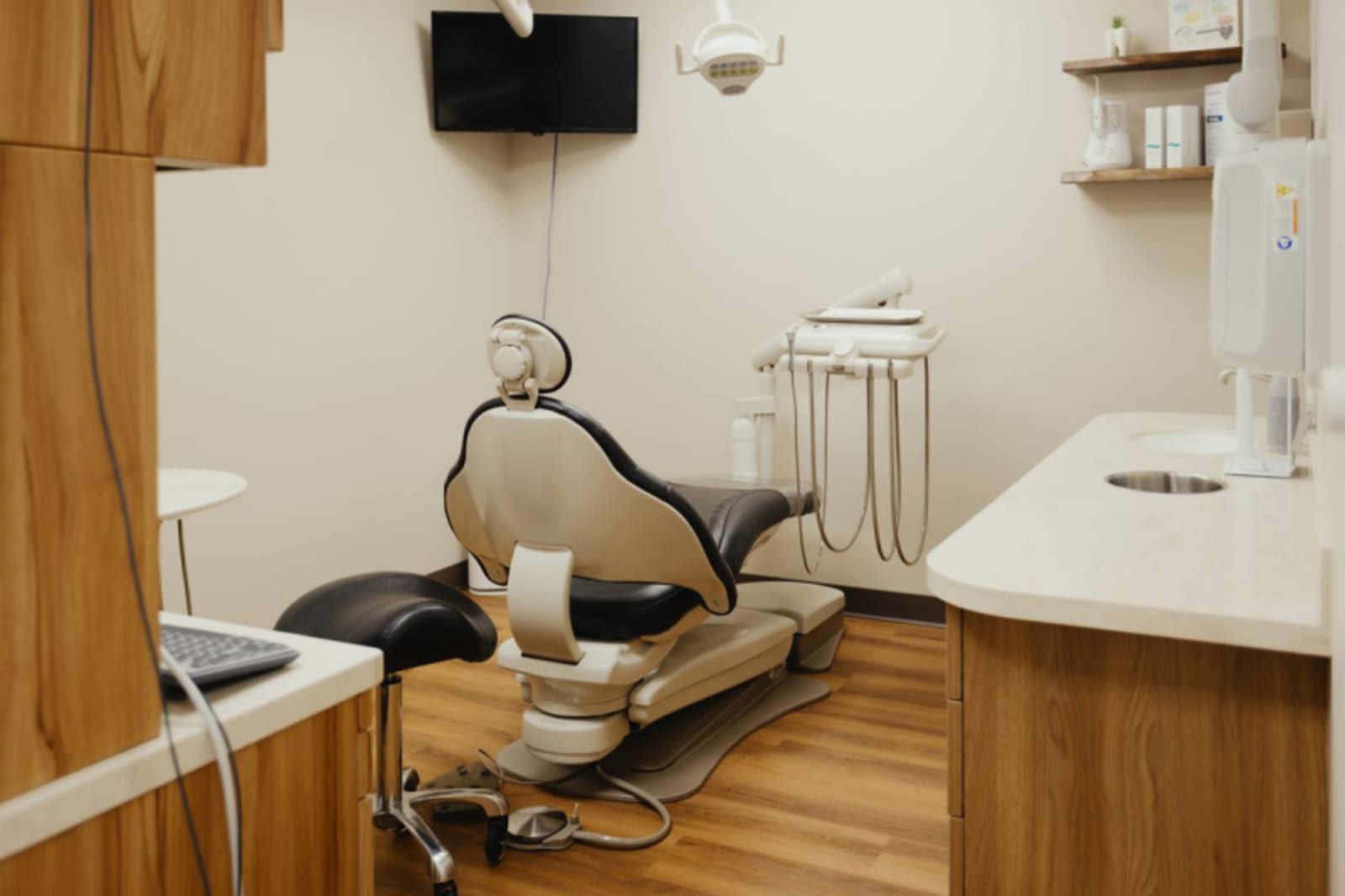
Continuous monitoring is standard protocol during dental sedation at Wilmington Family Dental. A trained team member monitors your vital signs throughout the entire procedure, separate from the dental work being performed.
The monitoring includes pulse oximetry to track oxygen saturation levels, automated blood pressure monitoring at regular intervals, and continuous heart rate monitoring. This equipment provides real-time data about how your body is responding to the sedation.
Sedation allows for titration, which means Dr. Hallock can adjust the medication level during the procedure based on your individual response. This real-time adjustment capability is one of the clinical advantages of the sedation methods we use.
The monitoring protocols are designed to identify any changes in your vital signs immediately, allowing the team to respond appropriately. These safety measures are required components of sedation administration in Ohio.
If you have questions about the monitoring process or what to expect during your visit, our New Patient Center provides additional information about your first appointment.
IV sedation requires specific training and certification beyond general dental education. In Ohio, dentists must complete additional coursework, hands-on training hours, and maintain current certification to legally administer IV sedation. This training includes emergency response protocols and airway management.
Different sedation levels require different training standards. Nitrous oxide has minimal requirements because it wears off quickly and patients remain fully conscious. Oral conscious sedation requires moderate monitoring because effects vary between patients and last several hours. IV sedation requires the most extensive training because it produces deeper relaxation and the provider must be prepared to manage respiratory or cardiac complications.
When considering sedation options, you can ask about the provider's specific training, certification status, and emergency protocols. These are standard questions that qualified providers expect and welcome.
When patients postpone dental treatment due to sedation concerns, the underlying dental condition continues to progress. Dental infections can spread beyond the original tooth to surrounding tissues and, in severe cases, enter the bloodstream. This can contribute to systemic inflammation that affects overall health, including cardiovascular conditions and diabetes management.
Treatment complexity often increases with time. A tooth that requires a filling today may need a crown next year, or extraction and replacement if left untreated. Early intervention typically involves less complex procedures and better long-term outcomes.
At Wilmington Family Dental, Dr. Hallock discusses both the risks of treatment and the risks of delaying care during the consultation process. This allows patients to make informed decisions based on their complete health picture and treatment needs.

Reading through the sedation side of dental care is genuinely a great first step. But there's a difference between understanding how something works and knowing whether it's the right fit for you specifically. That's where a real conversation comes in.
At Wilmington Family Dental, the screening process is exactly that. A conversation. You bring your questions, your health history, your concerns, and the team works through it with you. No pressure to commit, no rushing past the parts that matter to you.
If you've been putting off care because anxiety has made the chair feel impossible, give us a call at (937) 296-9672. Dr. Hallock and the team are here to help you figure out what makes sense, and to make sure you feel good about whatever comes next.
You can also learn more about what makes Wilmington Family Dental different before you reach out. Either way, we're glad you're here.
We look forward to meeting you.
Contact us today to schedule an appointment.