
Sedation Dentistry: Options, Safety: What Patients Can Expect
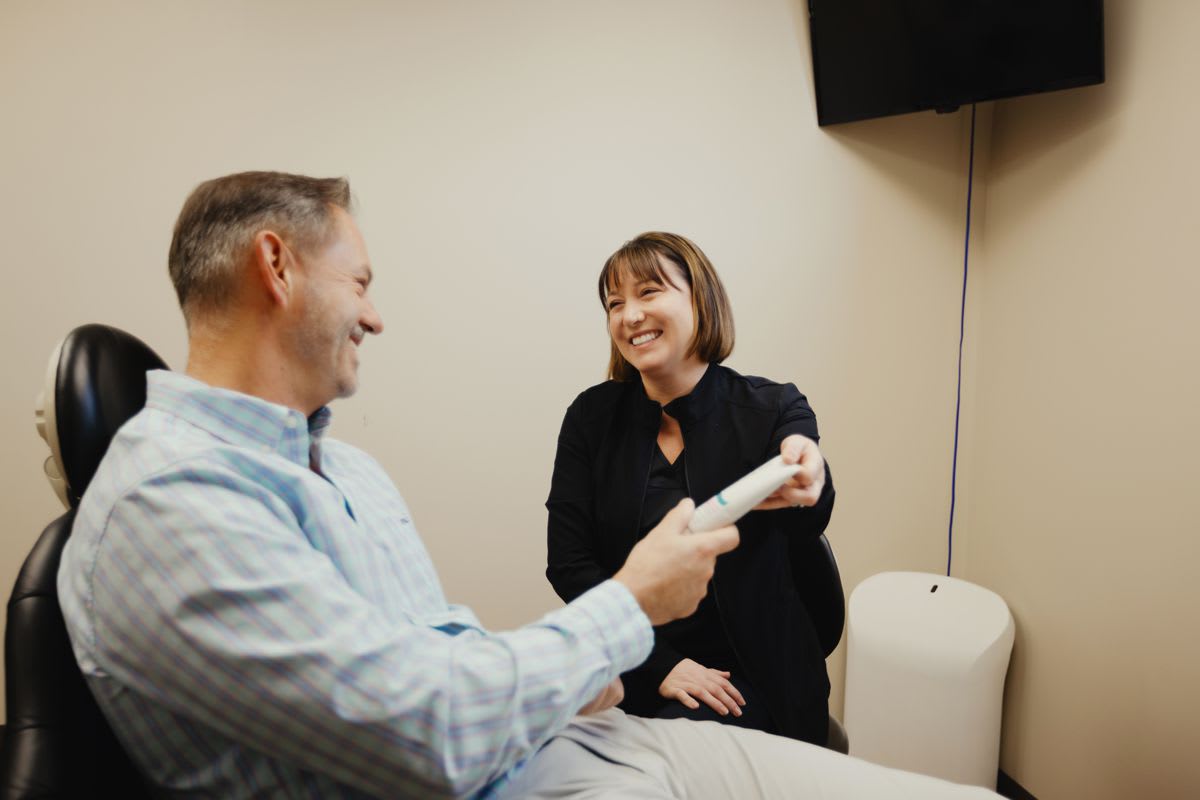
If the thought of sitting in a dental chair makes you anxious, you are not alone. Dental anxiety is one of the most common reasons people avoid necessary dental care. This anxiety is understandable and treatable.
Sedation dentistry uses controlled medication to help patients relax during dental procedures. Unlike general anesthesia, sedation keeps you conscious while reducing anxiety and discomfort. The level of sedation can be adjusted based on your anxiety level, medical history, and the complexity of your treatment.
At Wilmington Family Dental, we offer multiple sedation options including nitrous oxide (laughing gas) and oral conscious sedation. Dr. Hallock and our team will discuss which option best fits your needs during your consultation.
Continue reading to learn about sedation options, safety protocols, and how to determine if sedation dentistry is appropriate for your situation.
Sedation isn't one-size-fits-all. There's actually a whole spectrum of options, ranging from something as gentle as a slow, steady breath of gas to deeper sedation that lets you sleep through an entire procedure. Knowing what each one actually feels like, not just what it's called, helps you walk into that conversation with your care team feeling informed instead of overwhelmed.
One thing worth clearing up right away. Sedation and anesthesia are not the same thing. Sedation keeps you in a relaxed, calm state where you're still breathing on your own and, depending on the level, may still be somewhat aware of your surroundings. Anesthesia puts you into a fully unconscious state and requires specialized monitoring. Most dental visits, even complex ones, don't require full anesthesia. That's good news for most patients.
Here's a look at the four main types, and what each one actually feels like from the chair.
Nitrous oxide is the lightest option on the spectrum. You breathe it in through a small nose mask, and within a few minutes, most people notice a warm, tingling sensation in their hands and feet, followed by a pleasant floaty feeling. You're completely awake and can still respond to questions, but the edge comes off fast. Anxiety tends to melt away. When the mask comes off, the effects clear within minutes, which means you can drive yourself home afterward. This is one of the most commonly used options at our office, and it works beautifully for patients who feel nervous but don't need anything stronger.
This involves taking a prescribed pill before your appointment. By the time you're in the chair, you're aware but deeply relaxed. You can still respond if someone speaks to you, but most patients remember very little about the appointment afterward. Because the medication takes time to wear off, you'll need someone to drive you home. This is a strong option for patients with moderate anxiety or those facing longer procedures.
IV sedation works faster and allows for more precise control because the medication goes directly into your bloodstream. The depth of sedation can be adjusted in real time, which makes it a good fit for more involved treatment or for patients who haven't gotten enough relief from oral sedation in the past. Most patients feel deeply relaxed, possibly to the point where they have no memory of the appointment at all. This level of sedation requires additional monitoring and training, and is not something we offer in our office. If this is the right fit for your needs, our team will make sure you get connected with the right specialist and that your care is coordinated every step of the way.
General anesthesia renders you fully unconscious. It's typically reserved for very complex surgical cases, patients with certain medical conditions, or individuals with severe dental phobia who haven't responded to other sedation approaches. This is not something performed in a standard dental office setting. It requires an anesthesiologist and a surgical facility. If this level of care is what someone needs, we'll make sure they get connected with the right provider and that their care is coordinated every step of the way.
Want to see a side-by-side comparison of all four options before your appointment? We put together a deeper breakdown in our dental articles and patient resources library that walks through the differences in more detail, including what questions to ask and how to figure out which level might be right for you.
Safety is probably the first thing that comes to mind when sedation enters the conversation, and that's a completely fair place to start. The honest answer is that sedation dentistry has an excellent safety record when it's administered by trained providers who follow proper protocols. That's not just reassuring language. Decades of clinical data back it up.
Nitrous oxide has been used in dental settings for well over a century. Oral conscious sedation has a long track record as well. Serious complications are genuinely rare, but rare doesn't mean impossible, and any practice worth trusting will tell you that upfront. No medical procedure comes with a zero-risk guarantee. What good training, proper monitoring, and thorough screening do is bring that risk down to a level that's considered very low compared to the anxiety and avoidance that often comes from skipping dental care altogether.
Before sedation is ever approved here, a health history review happens. Things like current medications, known allergies, respiratory conditions, and overall health status all factor into whether a particular sedation method is appropriate for a specific person. That screening process exists for a reason, and it's taken seriously.
During sedation appointments, monitoring equipment tracks vital signs throughout the visit. Oxygen levels, heart rate, and breathing are all watched continuously. The level of monitoring scales with the depth of sedation being used.
Dentists who offer sedation are also required to meet specific training and credentialing standards. Each level of sedation, from nitrous oxide through oral conscious sedation, carries its own set of requirements set by the ADA and the Ohio State Dental Board. Those guidelines shape how sedation is offered and administered at this practice.
If you want to go deeper on this before your appointment, the questions you ask your dentist beforehand matter a lot. We put together a full article on sedation safety and what to ask before agreeing to sedation in our dental articles and patient resources library that walks through exactly what to look for.
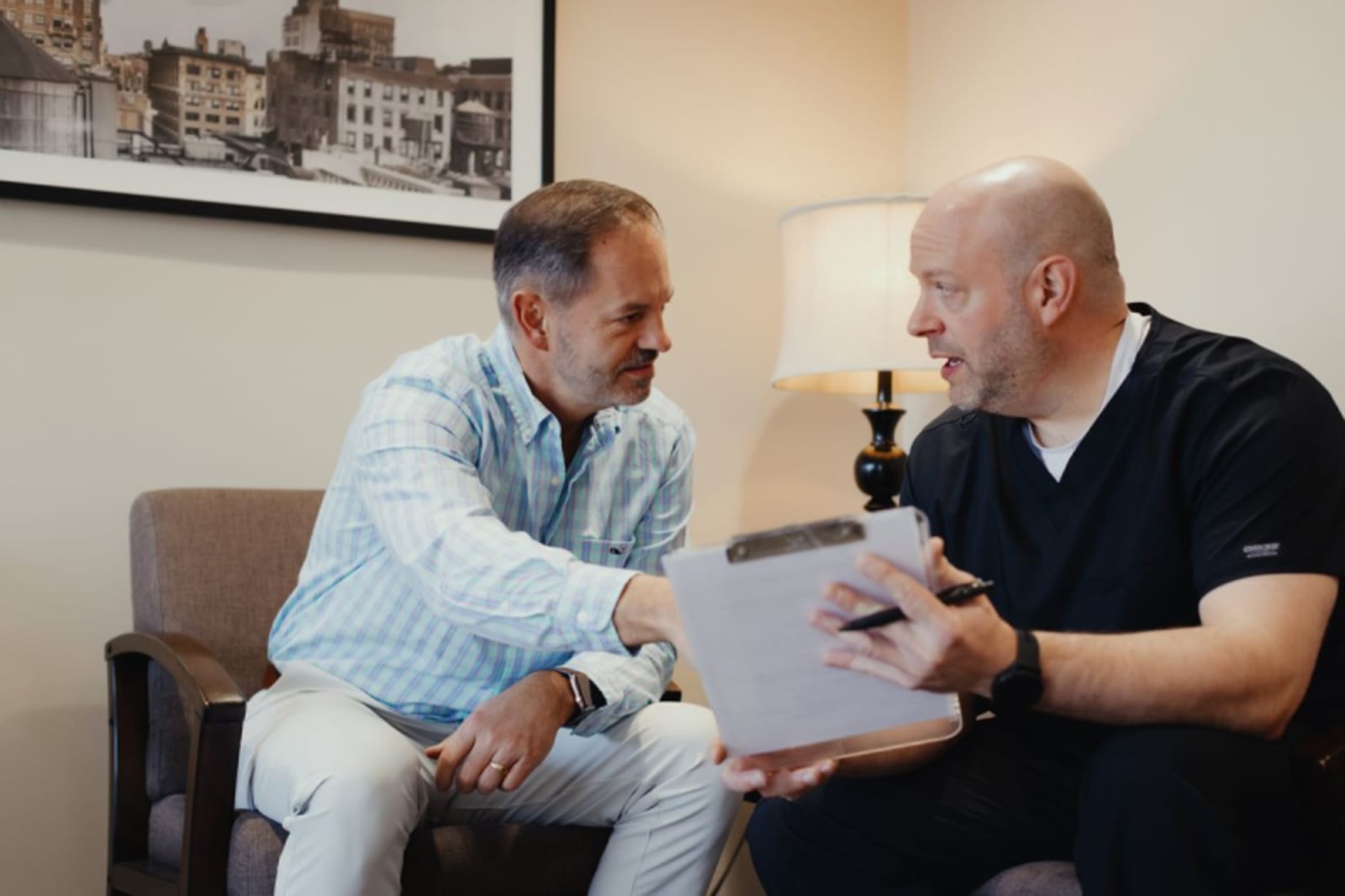
Knowing whether sedation is right for you is honestly one of the most common questions we hear, and the answer is more personal than most people expect. There's no single profile. Some people come in visibly anxious. Others seem calm on the outside but quietly tense through every appointment. Both might be great candidates.
The people who tend to benefit most from sedation dentistry include those who experience real dental anxiety or full-on dental phobia. If the thought of sitting in the chair makes you dread the appointment days in advance, that matters. We also see a lot of people who have a sensitive gag reflex, which can make even routine cleanings genuinely uncomfortable. A lower pain threshold is another common reason, and it's nothing to be embarrassed about. Everyone's nervous system is different.
Sedation is also worth exploring if you have a disability or special need that makes it hard to sit still or follow instructions during treatment. And if you've had a traumatic dental experience in the past, that history doesn't just disappear. It shapes how your body responds, even years later. We take that seriously. If you're in that situation, our patient resources library includes a full article specifically about sedation for dental anxiety that's worth reading before your visit.
One more group that often benefits. People who need a lot of work done and would rather handle it in fewer appointments. Sedation makes it possible to complete multiple procedures comfortably in a single visit, which saves time and reduces the overall stress of treatment.
That said, sedation isn't the right fit for everyone. Certain medical conditions, specific medications, and pregnancy can all affect whether sedation is safe for a particular person. We never take a one-size-fits-all approach here, which is exactly why a real conversation is the only way to know for sure. A consultation gives us the full picture of your health history so we can make a recommendation that actually makes sense for you.
A consultation gives us the full picture of your health history so we can make a recommendation that actually fits you. And one of the most common questions that comes up during those conversations is this. What does taking a sedation pill actually involve, and is it the right fit for your situation?
Oral conscious sedation is exactly what it sounds like. You take a prescribed pill about an hour before your appointment, and by the time you're in the chair, you're deeply relaxed. You're still conscious and can respond to simple instructions, but most people remember very little about the procedure afterward. It's a popular choice for routine to moderate dental work, including fillings, extractions, and deep cleanings, especially for people who feel significant anxiety around dental visits.
There are a few practical things worth knowing before you decide if oral conscious sedation is right for you:
If you want a more thorough breakdown with a decision framework to help you figure out whether oral conscious sedation fits your specific situation, we've put together a full overview in our dental articles and patient resources library. It walks through the option in much more detail so you can come to your consultation already feeling informed.
Knowing exactly what's coming makes a huge difference. One of the biggest reasons people put off sedation dentistry isn't the procedure itself. It's the uncertainty. So let's walk through the whole experience from start to finish, because once you see how straightforward it really is, booking that appointment feels a lot less intimidating.
Preparation depends on which type of sedation you're receiving, but a few things apply across the board. If you're having oral conscious sedation, you'll need to fast for several hours beforehand. Your care team will give you a specific window, usually no food or drink after midnight the night before. Some medications may also need to be paused or adjusted, so bring a full list of everything you're currently taking to your consultation.
The most important logistical piece. You cannot drive yourself home. You'll need to arrange for a trusted adult to bring you to the office and pick you up afterward. This isn't optional, and it's not something to figure out last minute. We've put together a full pre-sedation checklist over on our dental articles and patient resources page that covers everything so nothing slips through the cracks.
From the moment you walk through the door at Wilmington Family Dental, the goal is to make sure you feel settled before anything else happens. The team moves at your pace. There's no rushing, no clinical coldness. If you need a few minutes to get comfortable in the chair, that's completely fine.
Sedation is administered according to your plan. Nitrous oxide is inhaled through a small nose mask and takes effect within minutes. Oral sedation is a pill you'll have taken before arriving. Throughout the appointment, your vitals are monitored continuously so the team always knows exactly how you're doing. Most people describe the experience as deeply relaxed, with a sense that time has passed quickly. A procedure that takes two hours can feel like it lasted twenty minutes.
Recovery looks different depending on the sedation level. Nitrous oxide clears your system fast, and most people feel back to normal within fifteen to thirty minutes. Oral sedation takes longer. Expect grogginess for several hours, some dry mouth, and patchy or fuzzy memory of the appointment itself. That last part is actually very common and nothing to worry about.
Plan to rest for the remainder of the day. You should not drive, operate machinery, or make any major decisions until the following morning. Most people are fully back to their normal routine by the next day. Your care team will go over everything specific to your situation before you leave, and your driver will receive instructions too so you're not trying to remember details while you're still groggy.
Your care team will go over everything specific to your situation before you leave, and most people find they have one more important question before that conversation wraps up. What is this going to cost?
That's a completely fair thing to wonder, and being upfront about it matters more than giving you a polished non-answer.
Sedation costs vary based on a few key factors. The type of sedation used, how long your procedure runs, and the level of monitoring required. Nitrous oxide tends to be the most affordable option since it's straightforward to administer and wears off quickly. Oral sedation sits in a middle range. We don't publish fixed prices here because they shift depending on your specific treatment plan, but we'll walk through all of it with you at your consultation so there are no surprises.
Insurance coverage is where things get a little complicated. Most dental plans don't cover sedation as a standard benefit. However, there are real exceptions. Some plans will cover sedation partially or fully when there's documented evidence of severe dental anxiety, a diagnosed anxiety disorder, or special needs that make routine care difficult without it. It's worth calling your insurance provider directly and asking specifically about sedation benefits before assuming it won't be covered. A lot of patients are surprised to find out their plan covers more than they expected.
If you want a deeper look at how to navigate this with your insurance provider, our blog article on comprehensive dental care and how it connects to your overall coverage is a solid place to start.
At Wilmington Family Dental, we also offer financing options so cost doesn't become the reason you put off care you actually need. We'd rather help you find a path forward than have you leave without one.

When it comes to sedation for kids, parents ask different questions than adults do. That's completely appropriate. You're not just weighing your own comfort level. You're making a decision for someone who depends on you to get it right, and that deserves a real conversation, not a quick reassurance.
Pediatric sedation is typically considered when a child is very young, has significant dental anxiety, needs a more involved procedure, or has special needs that make a standard appointment genuinely difficult. It's not a first resort, but it's also not a last resort. It's a tool that, when used thoughtfully, can make a meaningful difference in how a child experiences dental care for years to come.
The safety protocols for children are more detailed than those for adults. Weight-based dosing, monitoring throughout the appointment, and a careful review of your child's health history all factor into the conversation before anything is decided. Nothing moves forward until you feel informed and comfortable.
At Wilmington Family Dental, we take time to talk through the options with you directly. If your child is nervous, we want to understand what's driving that. Sometimes sedation is the right answer. Sometimes a different approach gets you there without it.
For a much deeper look at how pediatric sedation works, what questions to ask, and how to prepare your child, our blog article on pediatric dental sedation covers the full picture. It's worth a read before your next appointment.
We look forward to meeting you.
Contact us today to schedule an appointment.